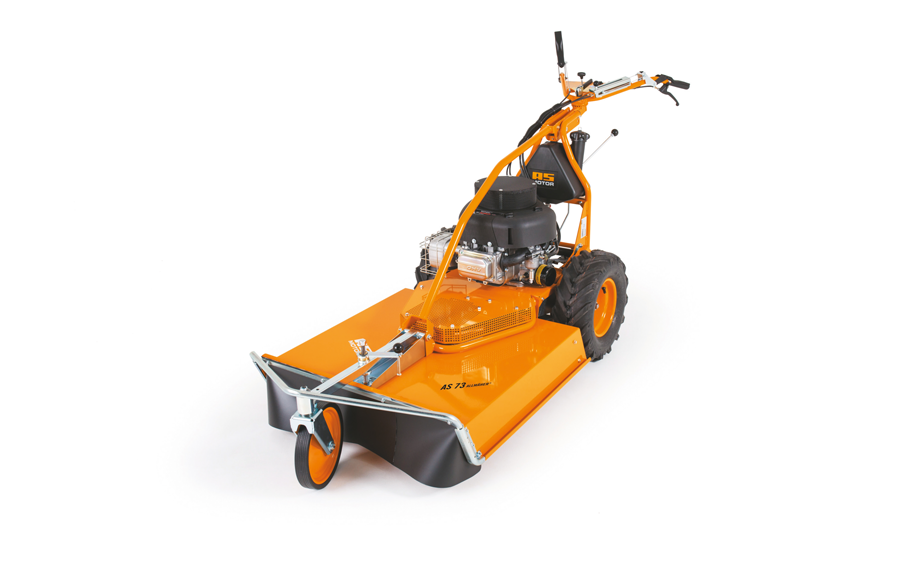
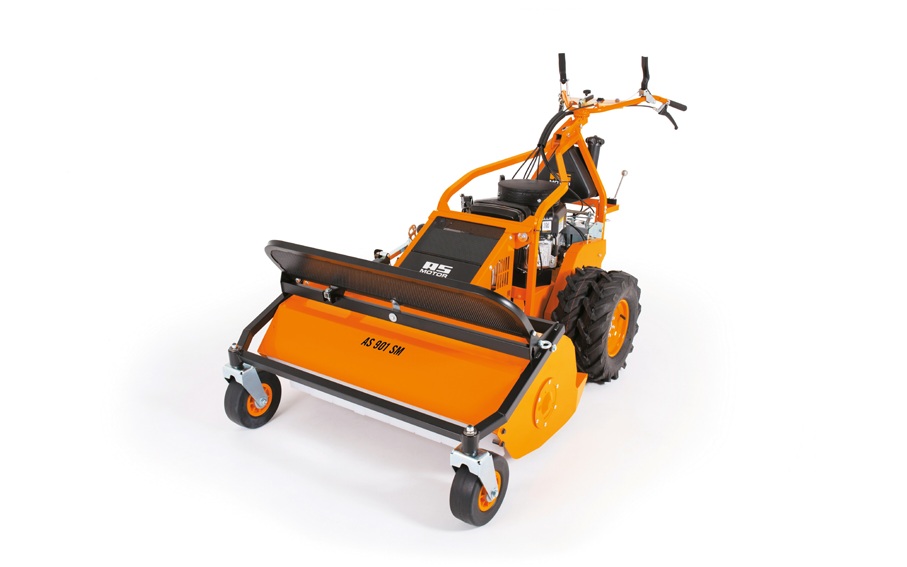
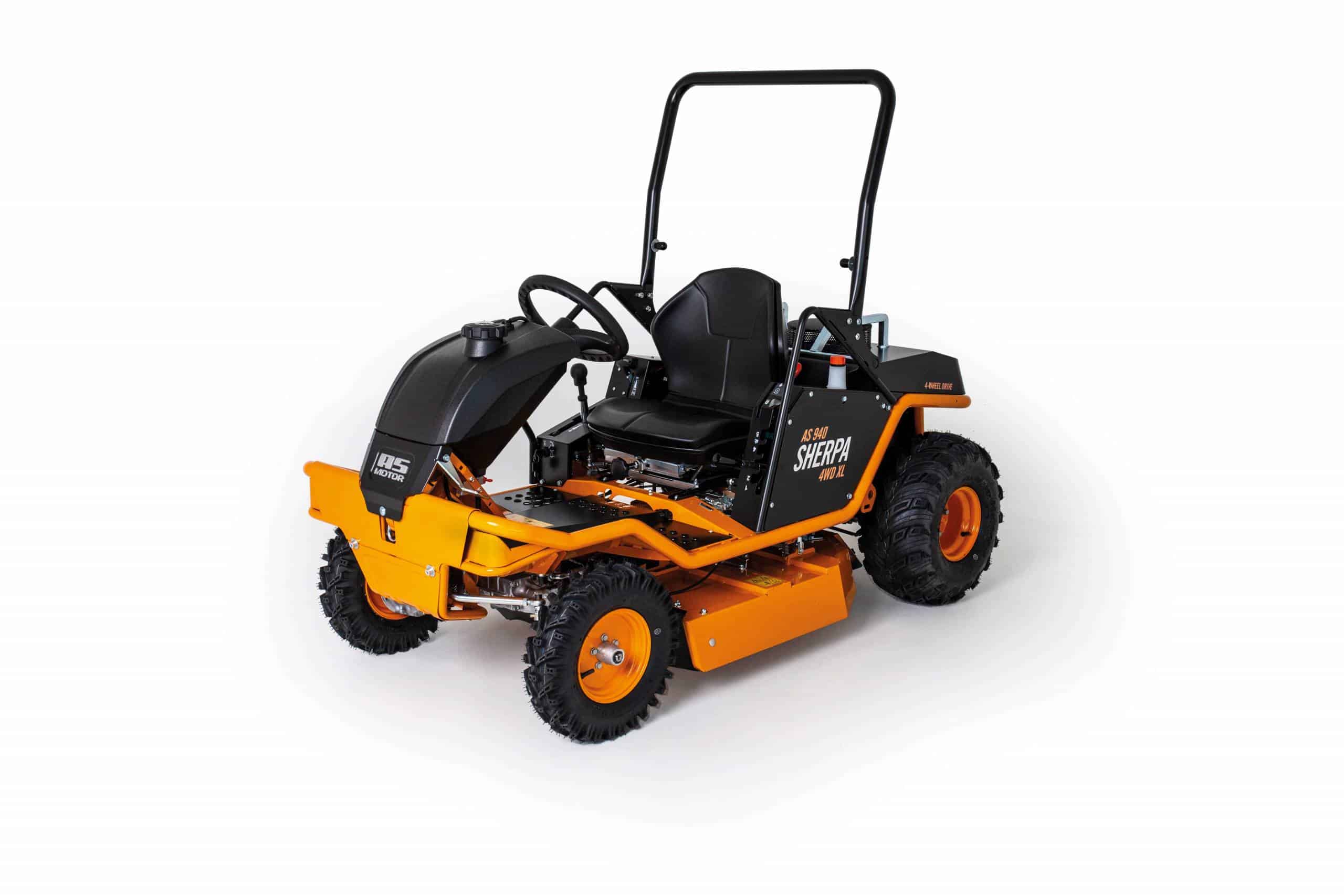
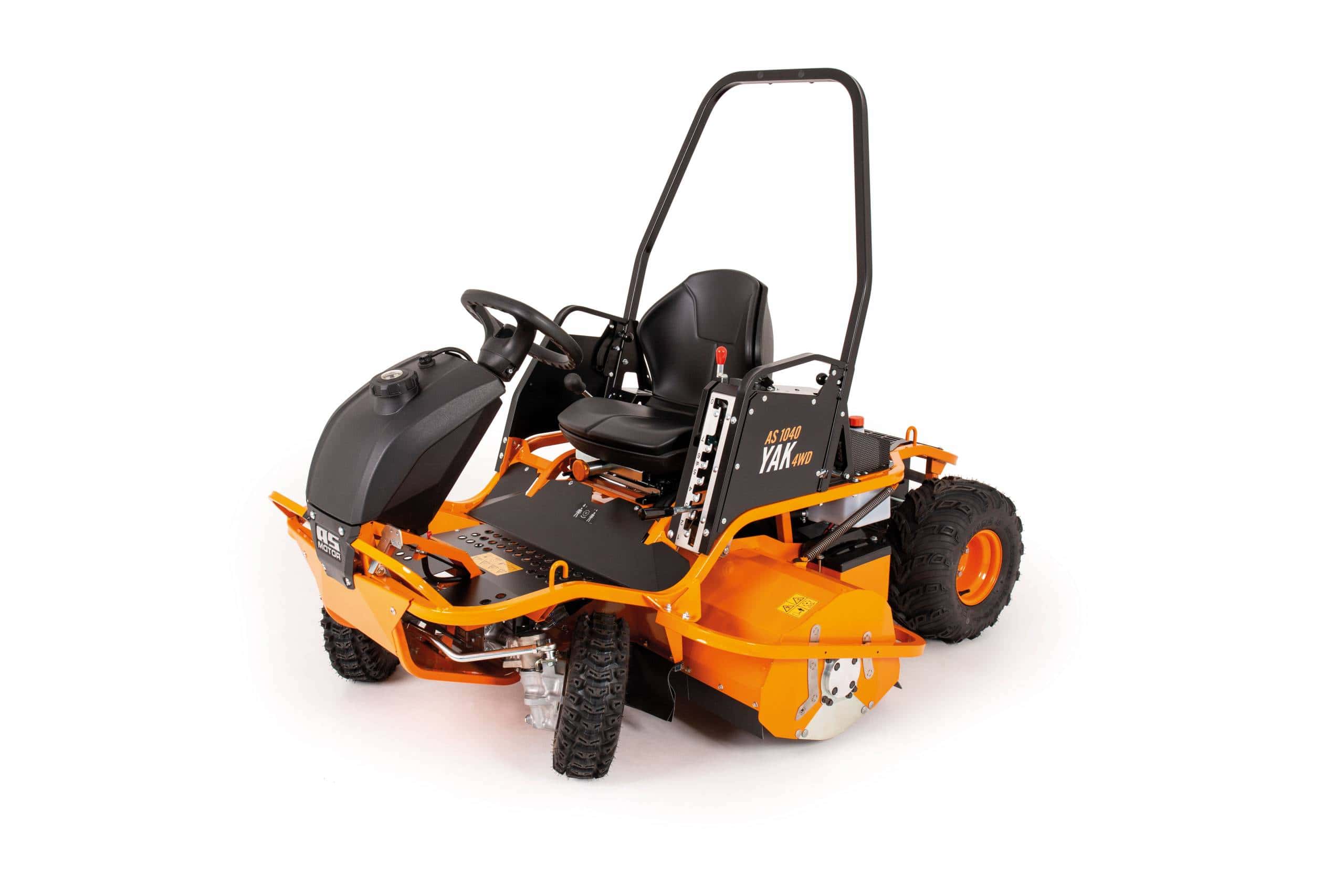
AS-Motor ofrece soluciones para la gestión de terrenos de caza y silvicultura
El diseño robusto es una ventaja al cuidar áreas forestales jóvenes, mantener claros los caminos forestales y mantener terrenos de caza densamente arbolados.
Ejemplos de aplicación
Silvicultura
La gestión forestal sostenible se basa en el equilibrio correcto entre economía y ecología. Las desbrozadoras pueden utilizarse de manera efectiva para mantener los márgenes forestales o eliminar árboles jóvenes de hasta 20 mm de grosor.
Terrenos de caza
El trabajo diario de la gestión de terrenos de caza incluye mantener los caminos de acecho y los claros para facilitar la observación de la fauna. Además, los cazadores a menudo cercan los campos para reducir el daño causado por la fauna. Estas cercas deben cortarse a intervalos regulares para preservar la conductividad eléctrica y los cortacéspedes de empuje AS-Motor proporcionan el manejo preciso necesario para este propósito. Cuando el daño causado por la fauna no puede evitarse, por ejemplo, el daño causado por jabalíes en pastizales, las desbrozadoras de AS-Motor pueden nivelar el terreno.
Plantaciones de árboles de Navidad
La mayoría de los aproximadamente 25 millones de árboles de Navidad vendidos anualmente se cultivan en plantaciones profesionales. Si la hierba entre los surcos crece demasiado alta, las ramas inferiores de los árboles de Navidad no tienen acceso a la luz y comienzan a perder sus agujas. Para esta aplicación especial, AS-Motor ofrece cortacéspedes de empuje con deflectores de ramas que empujan las ramas hacia arriba mientras cortan. Las desbrozadoras y los cortacéspedes Sherpa también son ideales para su uso en plantaciones de árboles de Navidad:
Las categorías
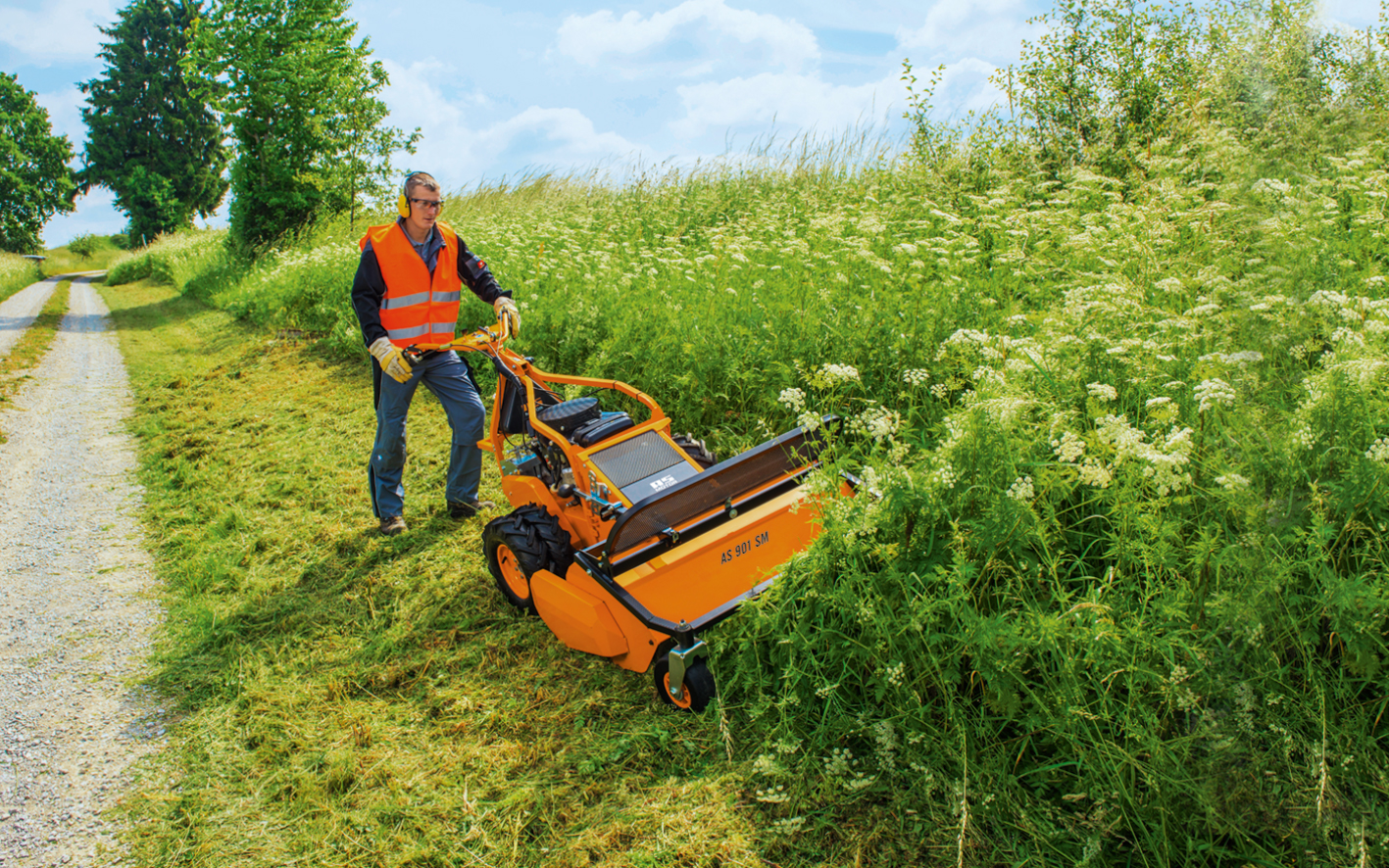
Professional technology
During the mowing season, professional operators often run their machines 5 days per week, 8 hours per day. AS-Motor’s machines are unbeatable in terms of quality, durability and professional work results. Additional advantages include low weight, lashing points and compact transport dimensions.
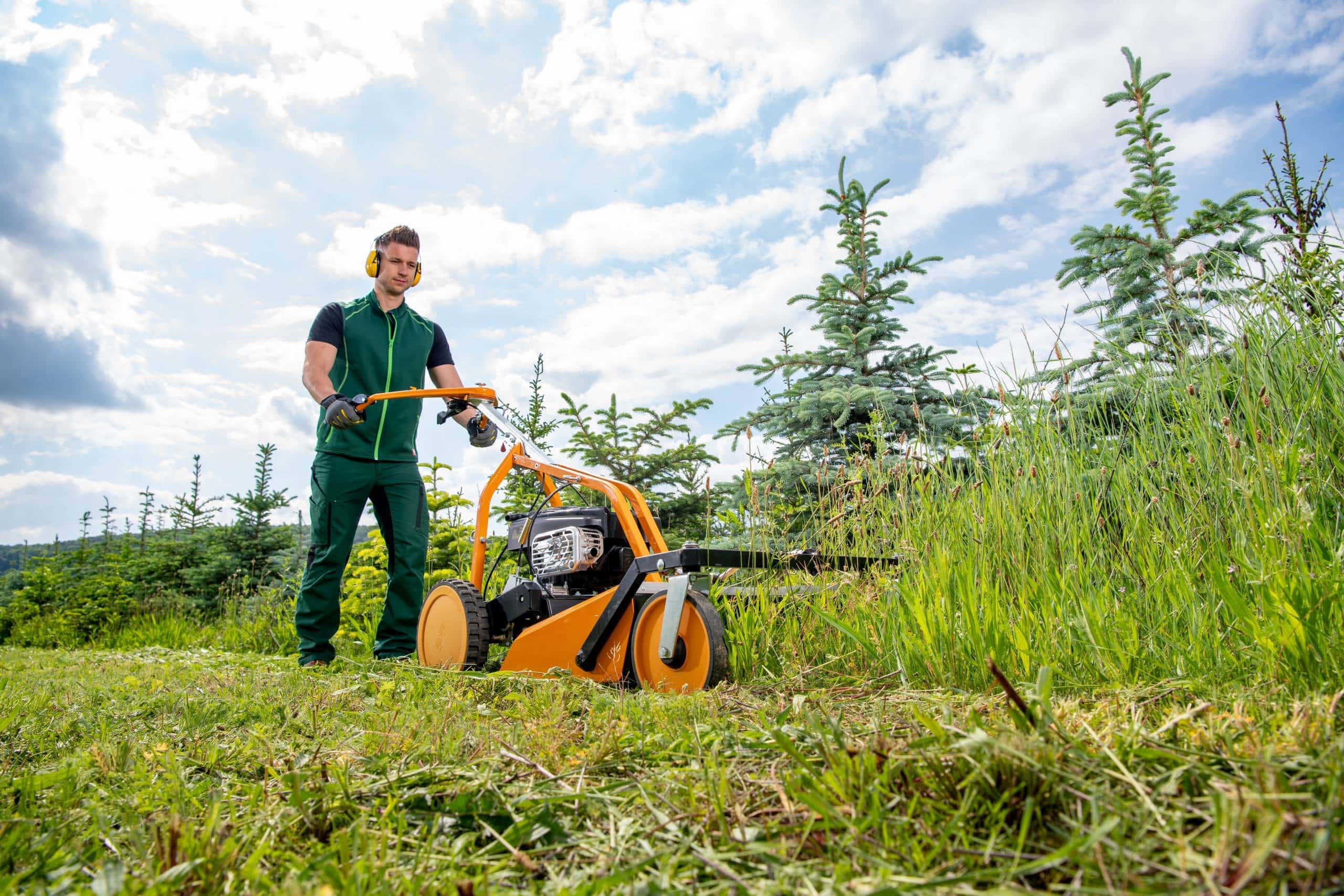
High meadow grass
Extensively used meadows such as orchards, compensation areas, or roadside greenery are deliberately mowed only once or twice a year. The vegetation reaches heights of 60 to over 100 cm and forms dense, structurally rich stands.
This form of maintenance serves to keep the area open and suppress woody plants, not to maintain the lawn. Machines with high throughput, uniform cutting performance, and controlled deposition of the cut material are required. This is the only way to efficiently manage large amounts of biomass without overloading the area or damaging the soil and vegetation.
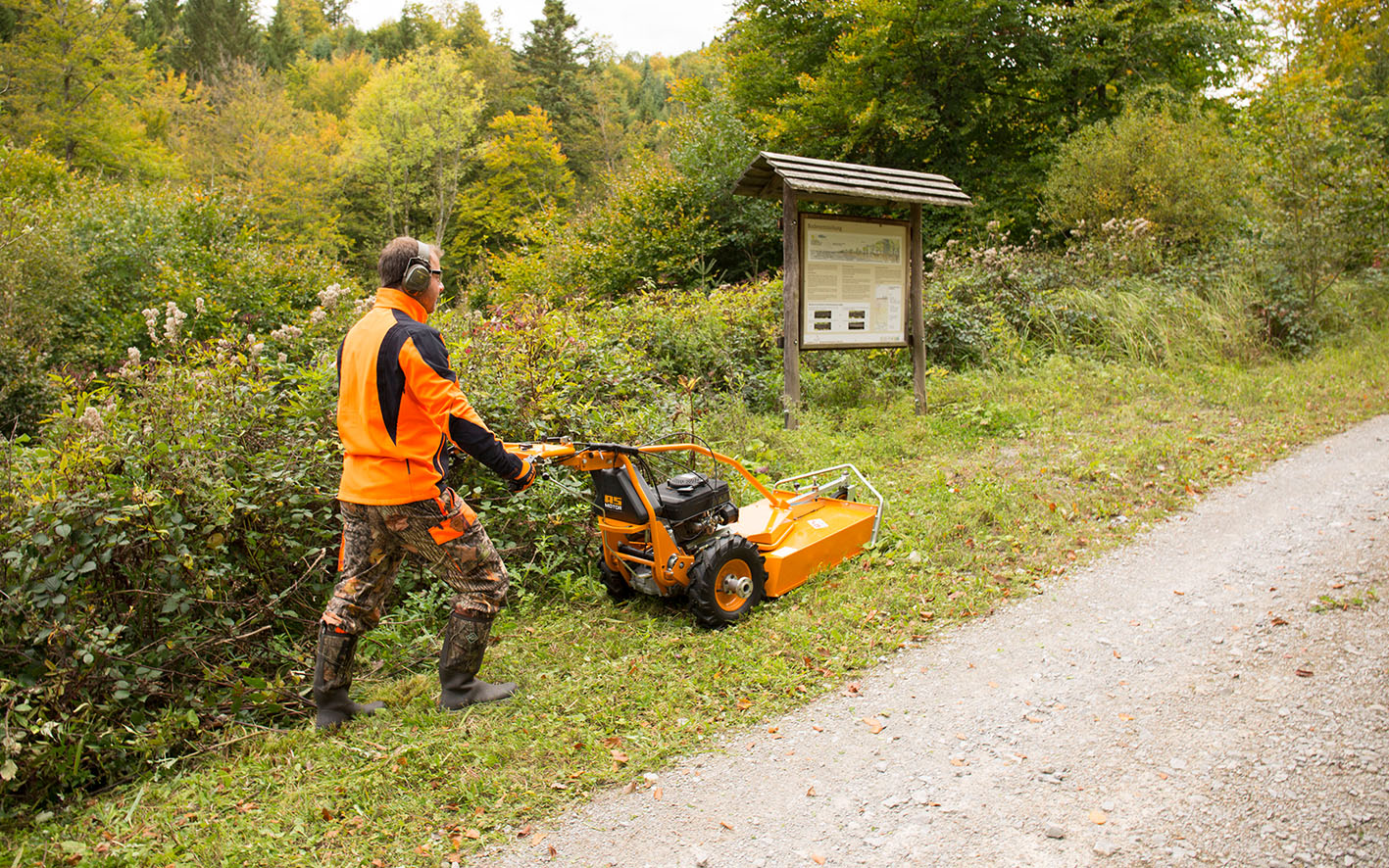
Dense growth
Without maintenance, open areas quickly become overgrown with blackberries, clematis, and young trees. In young forests, reforestation areas, or Christmas tree plantations, targeted brush clearing is necessary to secure the desired structures and reduce competition.
It is crucial to use maintenance methods that intervene selectively and do not destroy large areas. Mechanical flail mowing technology makes it possible to remove woody growth and vigorous shrubs without unnecessarily damaging the soil structure and root space. This ensures that areas remain usable and ecologically stable in the long term.
Uneven terrain
Animal burrows, anthills, mole hills and water channels cause uneven terrain. Several AS-Motor machines have high ground clearance, all-wheel drive and limited slip differential, along with appropriately studded field tyres, for uneven terrain.
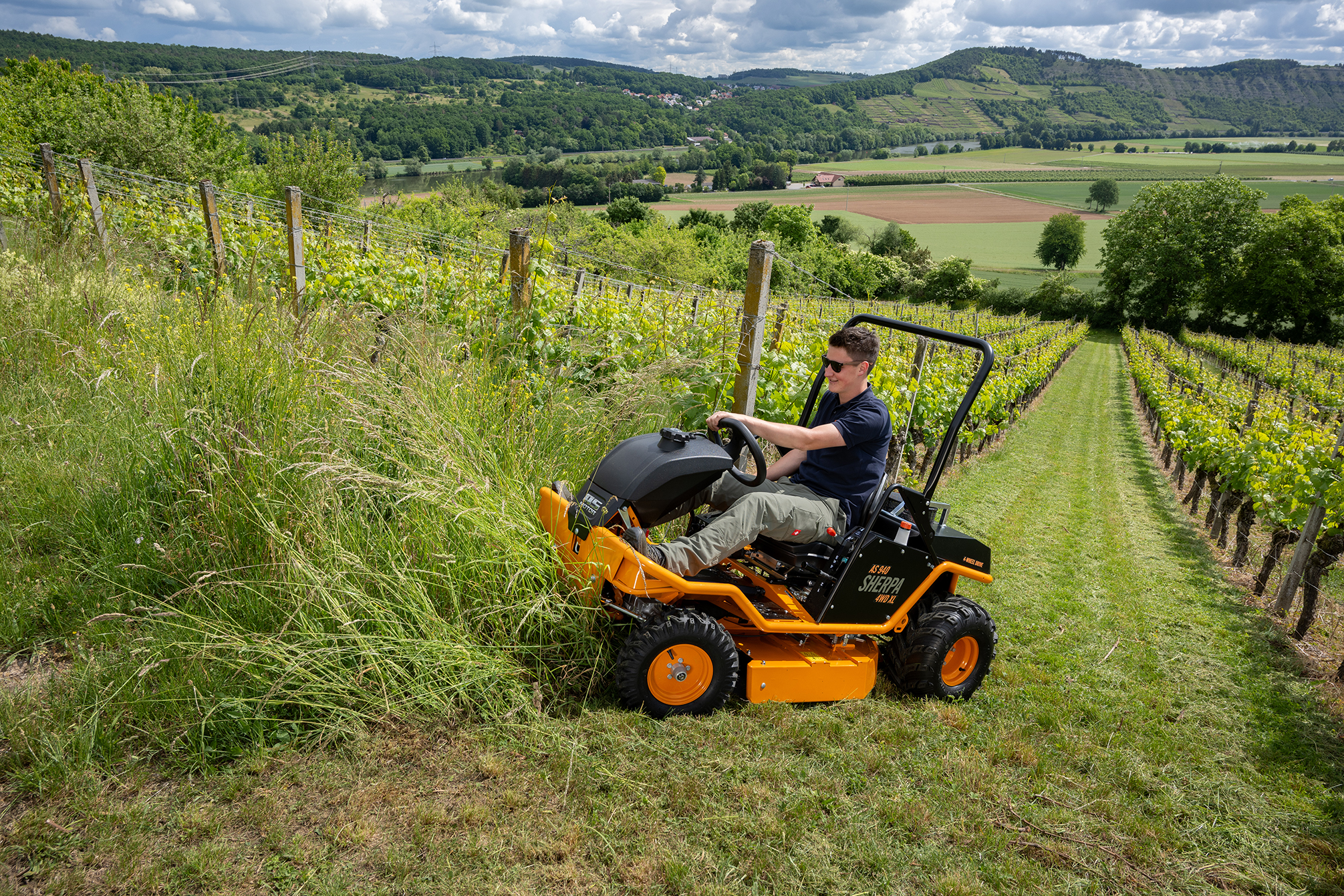
Slopes
AS-Motor engineers machines with high ground clearance, steep ramp angles, low overall weight, optimal weight distribution and a low centre of gravity to perform on slopes.
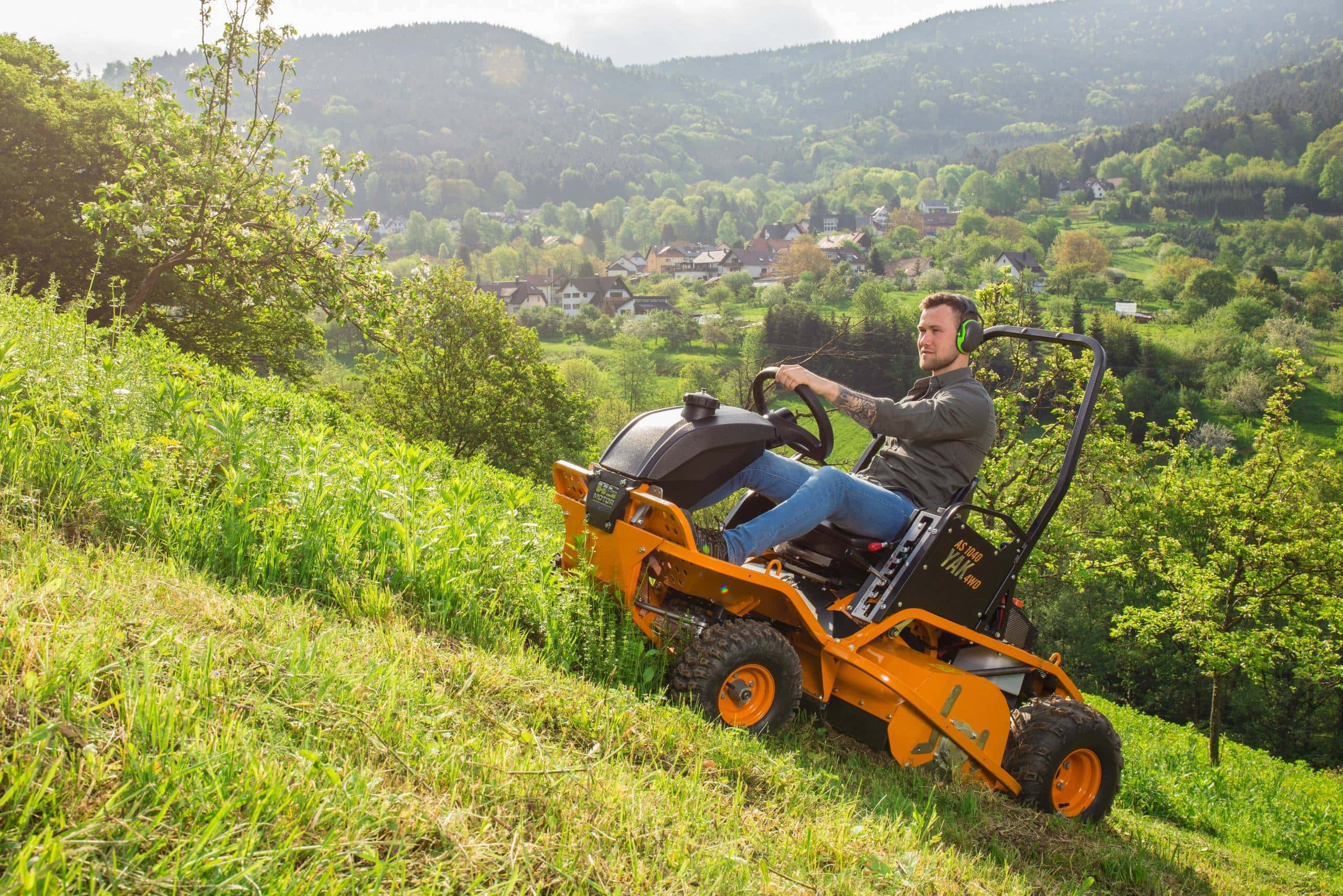
All-wheel drive
All-wheel drive not only ensures performance on inclines over 30 degrees, but also a high level of safety for travel downhill. All-wheel drive delivers propulsion in wet conditions and on uneven terrain – even if the wheels of one axle no longer have traction.
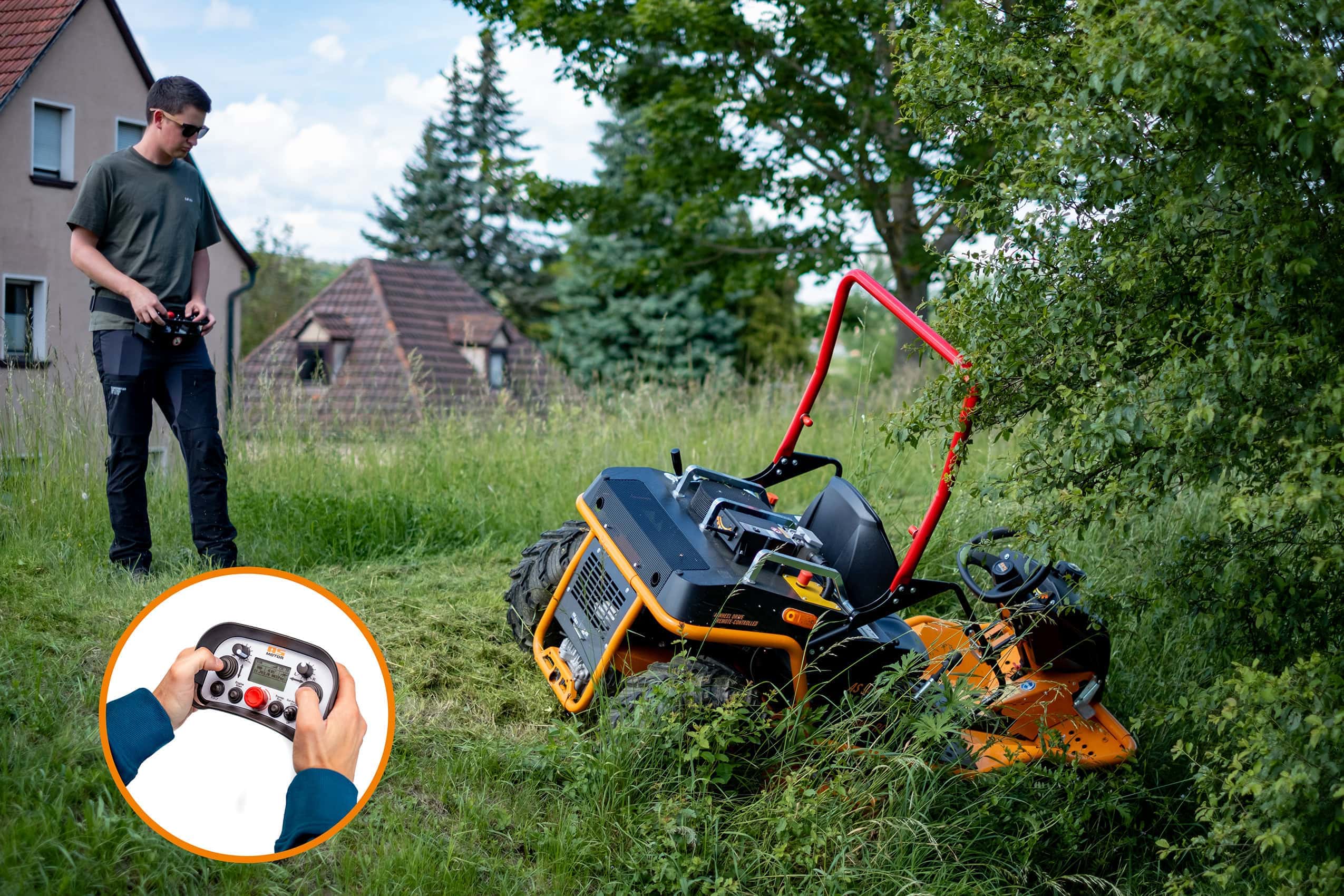
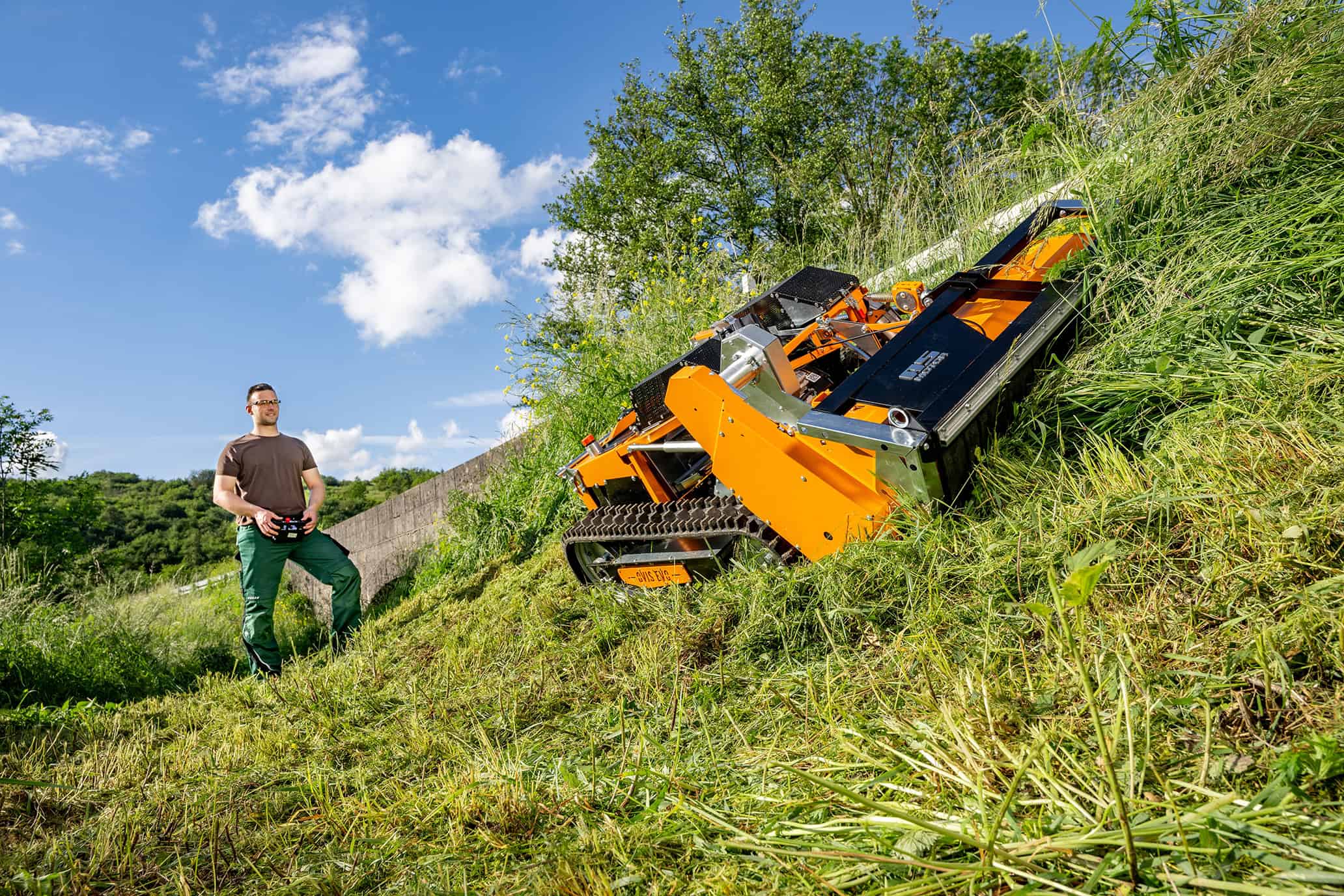
Remote-control
Remote controlled devices make the mowing of extreme slopes possible. This technology also allows the operator to mow at a safe distance from dust, wasps, ticks and other hazards.
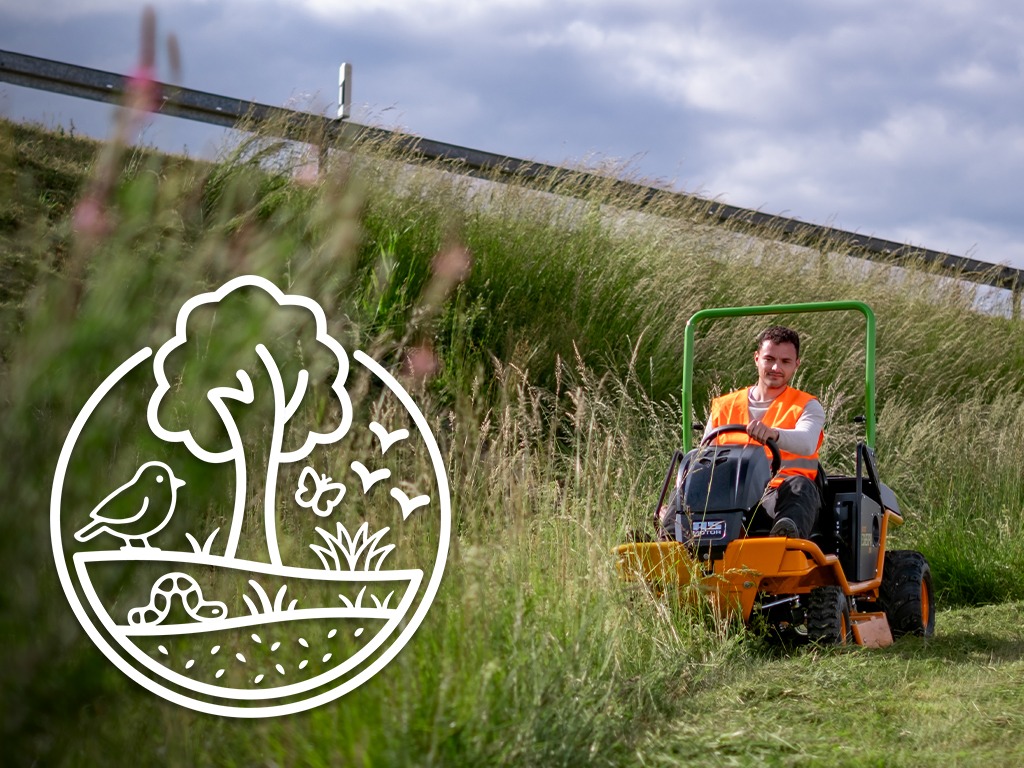
Ecological mowing & extensive land management
Ecological mowing and extensive land management focus on reduced, targeted interventions instead of blanket mowing. Cutting heights, timing, and maintenance intervals are based on vegetation development and site conditions, not on maximum area coverage.
Sub-areas are mowed on a rotating basis, while others are deliberately left untouched. This creates varying growth heights, refuges, and stable structures on extensive meadows, compensation areas, municipal green spaces, and in landscape management. Technology is used for control, not intensification.